
Fly-Line Accessories – Cleaning, Care and Line Control
( number of products: 4 )Fly-line accessories help keep the coating clean and running smoothly, and help manage loose line while fishing. This category includes line cleaners, anti-icing treatments and stripping baskets for collecting running line.
Each product solves a different problem. A cleaner will not repair a cracked coating, anti-icing treatment does not replace cleaning, and a stripping basket is most useful when loose running line falls into the water, catches on the ground or is pulled by current and wind.

Why should a fly line be cleaned?
Dust, silt, algae, salt and substances from the angler’s hands collect on the coating. This contamination increases friction in the guides, reduces shooting performance and may cause the fine tip of a floating line to sit lower in the surface film.
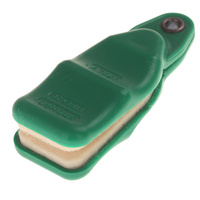
Use a product made for fly lines and follow its instructions. Draw the line through a soft applicator or cloth without creating sharp bends. General solvents, oils and unverified silicone products may react with a coating and should not be used unless compatibility is confirmed.
What can a line treatment do—and what can it not do?
A cleaner removes surface contamination, while some treatments leave a finish designed to improve slickness. They cannot bond a split coating or restore the original shape of a permanently kinked line. If the core is exposed or a welded loop or coating is badly damaged, assess whether the line can be repaired safely or should be replaced.
Anti-icing treatment
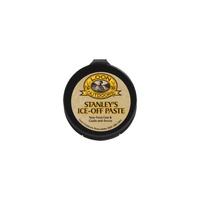
When fishing near freezing, water carried by the line can freeze on the coating and guides. An anti-icing treatment reduces ice adhesion and helps the outfit continue to work, but its performance depends on temperature and repeated contact with water. Apply it as directed and avoid coating parts excluded by the manufacturer.
The treatment does not remove the cause of icing and may need to be reapplied during the day. Clean visible dirt first; trapping contamination under a treatment can increase friction.
What is a stripping basket used for?
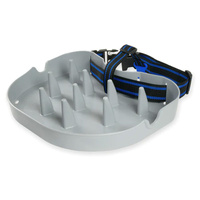
A stripping basket collects the loose running line retrieved while working the fly. It keeps coils from falling between rocks, underfoot or into moving water, where current can pull them tight before the next cast.
It is particularly useful when wading in the sea, fishing from shore, standing on broken ground or working around vegetation. Cones or separators inside the basket reduce overlapping coils. Place line loosely into the basket in its natural order so that it can leave without forming knots.
A simple fly-line care routine
- Rinse the line in fresh water after fishing in salt or dirty water.
- Dry it and inspect the sections that travel through the guides most often.
- Remove deposits with a cleaner compatible with the coating.
- Wind the line without excessive twist and store it away from heat and prolonged sunlight.
- Before the next trip, inspect the loops, the first metres of the head and the backing connection.
Correct care does not change the taper or line weight, but it preserves a clean surface, smooth travel through the guides and dependable connections. For help selecting the line itself, use our fly-line guide.
Frequently asked questions
How often should a fly line be cleaned?
There is no single interval for every fishery. On clean water, inspection after several trips may be enough. Salt, silt or visible deposits call for earlier cleaning. Increased friction or a dirty cloth after wiping the line are also clear signs.
Is every line-slick treatment safe for every fly line?
Do not assume so. PVC, polyurethane and proprietary coatings may require different products. Check the recommendations supplied with both the fly line and the treatment.