Dry Fly
( number of products: 139 )Dry Flies – An Essential Element for Every Fly Angler
Dry flies are the essence of fly fishing, classic and indispensable tools that imitate insects floating on the water's surface. When fish are actively feeding just below the water’s surface, dry flies become the most effective choice for the angler. Trout, grayling, and other predatory fish track these insects with incredible precision, as they represent an easy and energetically efficient food source. This is the moment when a well-chosen fly can determine success or failure on the water.
Choosing the right dry fly is not only about aesthetics but also about a precise match to the natural conditions – the types of insects found at the fishing spot, their size, color, and how they behave on the water. That’s why each fly in our collection is created with maximum effectiveness and a realistic representation of nature in mind. The quality of craftsmanship is also crucial – from the tiniest details, like body segmentation, to how the fly floats on the water.
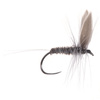
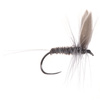
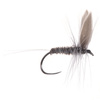
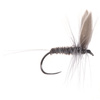
Our dry flies are crafted using top-quality materials, such as delicate CDC feathers (Cul de Canard), known for their exceptional hydrophobic properties, which ensure unmatched buoyancy. We also use quill, the thin feather shafts that give flies a natural, segmented look, resembling real insect bodies. Meanwhile, saddle hackle feathers used in the hackles provide flies with stability and a natural movement on the water's surface, even in more turbulent conditions.
Our selection offers a wide range of dry flies – from delicate, subtle patterns perfect for calm streams to bolder flies that excel in faster waters. Each fly is meticulously designed with specific fishing conditions and anglers’ needs in mind – whether for those who are just starting their fly-fishing journey or experienced anglers looking for precise, specialized patterns.
Choosing the right dry fly is an art in itself. Every angler knows that the difference between success and failure often lies in the fine details – color, size, or even the way the fly sits on the water's surface. That’s why we offer flies crafted with attention to every detail, made from the finest materials that guarantee not only a realistic appearance but also durability and resilience. Dry flies are more than just fishing tools – they are the key to discovering the beauty of nature and the art of fly fishing, where every cast can bring unforgettable experiences.
Let our selection of dry flies enhance your fishing gear. With their help, every outing on the water will be full of exciting challenges and satisfaction from a perfectly chosen fly that accurately imitates what fish love most – natural, tempting insects floating on the water's surface.

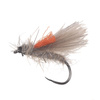
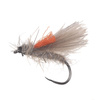
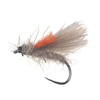
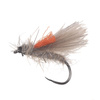
Orange Tag CDC Caddis


Black Sedge Horned


Goddard Sadge (Nat)


Royal Wulf


 + 1Opcji


Parachute Quill Body CDC Natural
 + 1Opcji
No Hackle Cinamon Quill
Parachute CDC Lt. Chahill
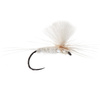
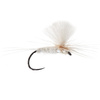
Parachute CDC Hendrickson Pink
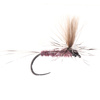
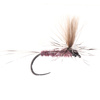
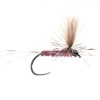
Parachute CDC BWO (1)
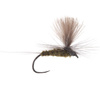
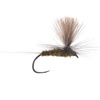
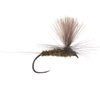
Parachute CDC Heron
 + 1Opcji
Parachute CDC BWO
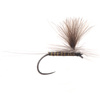
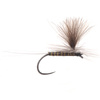
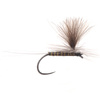
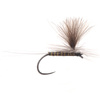 + 1Opcji
CDC Elk Sedge Gold
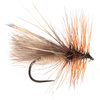
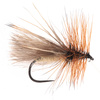
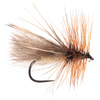
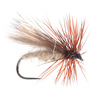
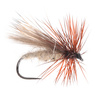
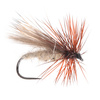
CDC Elk Sedge Olive
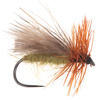
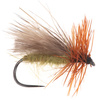
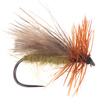
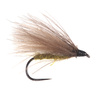
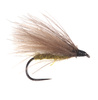
CDC Sedge Nat Gray
 + 1Opcji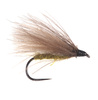

No Hackle Olive Quill
No Hackle Black Quill

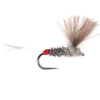
No Hackle Pheasant tail
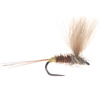
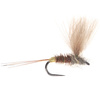
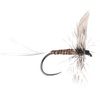
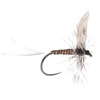
Quill Body Natural

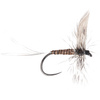
 + 1Opcji
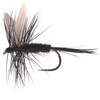
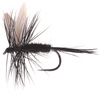
Black Gnat
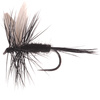
 + 1Opcji
Parachute CDC Red Quill
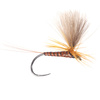
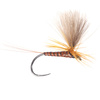
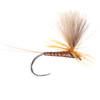 + 1Opcji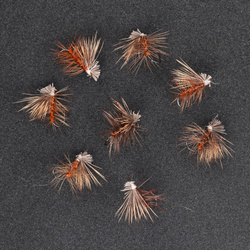
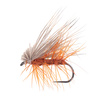
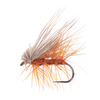
Golden Ribbed Cinamon Elk Caddis
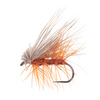
 + 1Opcji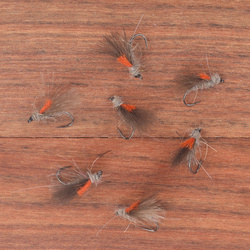
Orange Indicator CDC Hare Body
 + 1Opcji
Parachute Poly Wings Tan
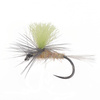

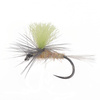
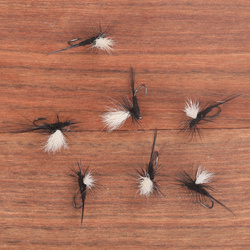
Parachute Calf Wing Black

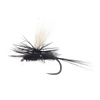
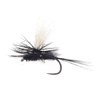

Green Tip Fam and Hair Caddis
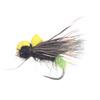
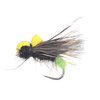
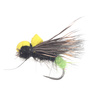
 + 1Opcji
Ginnger Paraloop
 + 1Opcji
Blue Dun Paraloop


 + 1Opcji