
Fly Boxes — Choosing the Right Box for Dry Flies, Nymphs and Streamers
( number of products: 22 )Choose a fly box for the type and bulk of the flies first, rather than for the advertised number of slots. A slim box with closely spaced slit foam can organise nymphs and small dries efficiently, but a tall caddis, heavily hackled dry or streamer needs more internal depth and wider spacing between hooks.
The range includes small pocket boxes, larger single- and double-sided designs, clear lids, pre-slit inserts and compartment boxes. Check dimensions, insert type and weather sealing on the individual product page — a box is not waterproof simply because it closes securely.
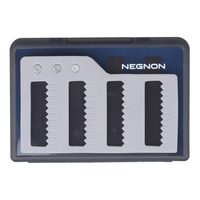


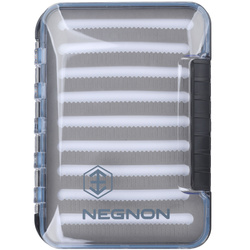


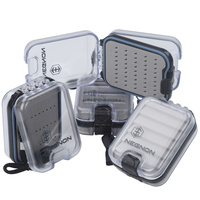


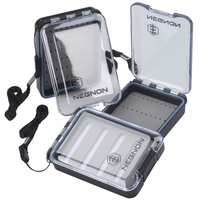


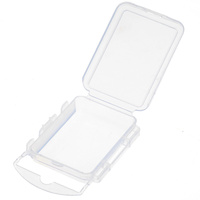

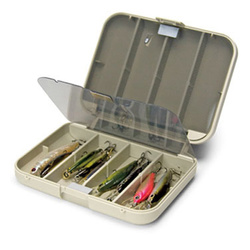


How should you choose a fly box?
Start with the flies it will carry and where you intend to carry it. A working selection for a vest pocket serves a different purpose from a large reserve collection kept in a pack or vehicle. The important details are internal depth, hook-retention system, usable spacing, outside dimensions and the weight of the loaded box.
The number of foam slits is not the number of flies that will always fit comfortably. Two small nymphs occupy less space than a bushy caddis, extended-body mayfly or long-winged streamer. The box dimensions and insert layout reveal more about practical capacity than the slot count alone.
Fly boxes for dry flies
Dry flies need clearance above and around the dressing. Hackle, wings and delicate CDC should not be crushed against the lid or neighbouring hooks. A slim box may suit low-profile mayflies and small caddis patterns, while parachutes, beetles, hoppers and heavily hackled flies require a deeper interior.
Pre-slit foam holds hooks in rows and prevents the flies from moving around the box. Insert the hook bend into an existing slit rather than piercing the foam at a new point each time. This reduces damage to the foam and helps maintain space between patterns.
Do not return a wet fly immediately to a row of dry patterns. A fly patch on a vest can provide a temporary place for a used fly to dry, but remove it from the patch before storage or travel.
Fly boxes for nymphs
Nymphs are usually lower in profile than dry flies, so they can be stored more densely. A slim box with rows of slits makes hook size, bead weight and colour variants easy to compare. Large tungsten beads still need sufficient clearance so that one fly does not press against the hook or body of the next.
A double-sided insert increases capacity without adding length or width, although the finished box becomes thicker and heavier. Check how each side opens: while wading, it is safer to expose only the panel from which a fly is being selected.
A practical arrangement is to group rows by hook size, then by bead weight or bead colour. At a glance, you can decide whether the next change should alter profile, sink rate or colour.
Fly boxes for streamers and larger patterns
Streamers need depth and generous spacing. Long wings, tails and mobile materials should not remain folded under pressure. A box may appear to offer many slots, yet only a fraction will be usable once several bulky patterns begin to overlap.
Larger slots or compartments can suit streamers, pike flies and bulky stillwater patterns. Compartments do not grip hooks like slit foam, so keep the box level before opening. In return, they can hold full-bodied flies without compressing the dressing.
Slit foam or compartments?
- Closely spaced slit foam: holds hooks in ordered rows and makes flies easy to count and compare. It is particularly useful for nymphs and small to medium dry flies.
- Foam with wider spacing: leaves clearance for streamers, larger dries and patterns with broad wings.
- Compartments: store several similar flies without inserting hooks into foam. They can also organise hooks and small rigging components, but require care when opened in wind.
Worn foam develops enlarged slits and allows hooks to move when the box is shaken. There is no need to bury the hook deeply: seat the bend securely in the slit without compressing the fly body.
Single-sided or double-sided?
A single-sided box provides direct access and may offer greater depth for tall patterns. A double-sided box uses the available footprint efficiently and can separate two selections, such as dry flies from nymphs or light nymphs from heavy ones. It normally offers greater capacity for the same length and width, at the cost of added thickness.
The division is useful only when it remains logical. One side might contain first-choice patterns and the other reserve variations. A clear lid speeds identification without opening the box, but it does not replace labels or a consistent arrangement.
Waterproof boxes, rain and wet flies
Only treat a box as waterproof when the manufacturer specifies that property for the exact model. A gasket, even lid pressure and a suitable latch improve protection from rain and brief contact with water. An ordinary snap-shut box may resist splashes but is not necessarily designed for immersion.
A sealed box keeps external water out, but it also traps moisture brought in on used flies. After fishing, open the box, separate damp patterns and allow them to dry fully. This reduces hook corrosion, tarnishing of beads and the transfer of moisture to the rest of the collection.
Box size and how it is carried
- Small pocket box: a selected set for one water, a short session or an addition to the main box.
- Slim box: stores many low-profile patterns at minimal thickness; especially useful for nymphs and small dries.
- Medium box: a versatile balance of capacity and comfort in a vest or pack.
- Large box: a reserve for streamers, tall dry flies or a broad pattern selection; compare its dimensions with the intended pocket before buying.
One very large box is not always more practical than two smaller boxes. Dividing flies by method, river or season reduces the load taken to the water and avoids risking the entire collection at once.
How should flies be organised?
The best system mirrors decisions made while fishing. Arrange dry flies by type and size, nymphs by weight and profile, and streamers by length or colour scheme. Leave a few empty positions for used patterns once they have dried.
Do not crowd flies simply to occupy every slit. If wings overlap and removing one pattern pulls another free, the practical capacity has been exceeded. A readable layout saves more time than maximum density.
Cleaning and inspection
After exposure to saltwater or heavily contaminated water, remove the flies and rinse the empty box according to the manufacturer's guidance. Dry it open. Periodically check the hinges, latches, gasket and insert. Sand on a gasket can prevent an even seal, while damaged foam no longer holds hooks reliably.
Avoid leaving boxes for long periods in a very hot vehicle. Heat can distort plastic parts, weaken the bond beneath an insert and accelerate the ageing of rubber components.
Frequently asked questions
Is a waterproof fly box always the best choice?
No. It offers better protection from external water but cannot dry a wet fly. Internal depth, insert design, weight and opening method are equally important.
Can a slim box hold dry flies?
Yes, provided the flies are low enough to clear the lid when closed. Tall wings, heavy hackle and foam-bodied patterns need a deeper model.
How many flies will a box hold?
Capacity depends on fly volume, not just the number of slits. A manufacturer may state the maximum number of attachment points, but the practical capacity for streamers and tall dries will be lower.