
Weighted nymph flies
( number of products: 46 )Weighted nymphs are designed to fish below the surface without relying solely on a visible bead. Weight may be incorporated beneath the body or distributed through the dressing, allowing scuds, caddis larvae, Czech-style nymphs and other patterns to retain a particular outline while reaching their working depth.
- 1
- 2

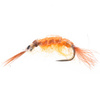
Epoxy Scud Orange (1)


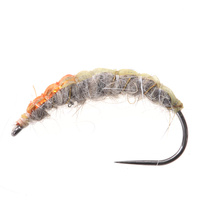
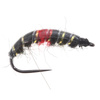
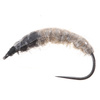
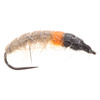
Hydropsyche Tan/Orange Back

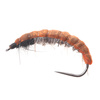
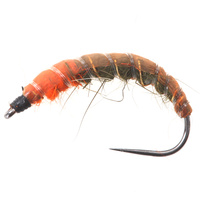
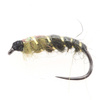
Hydropsyche Dk. Olive/Orange

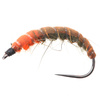

Czech Ribbed Nymph Olive/Red
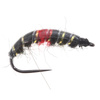



Sparkle Caddis Pupa Green (1)
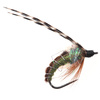
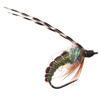
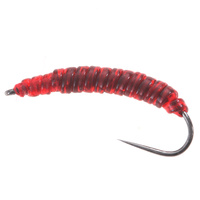
Polish Ribed Wrom (1)


Czech Nymph Dk. Olive/Lt. Olive


Czech Ribbed Nymph Brown/Gray


Czech Ribbed Nymph Brown/Black


Czech Ribbed Nymph Olive/Chartreuse
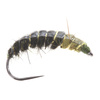
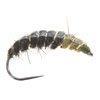

Czech Ribbed Nymph Dk. Olive/Chartreuse


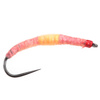
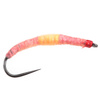
Czech Ribbed Nymph Pink

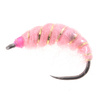

Czech Ribbed Nymph Multicolor

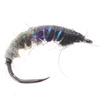
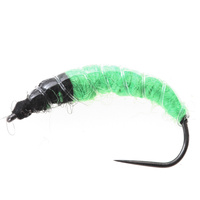
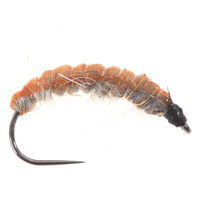
Hydropsyche Tan/Rst. Brown
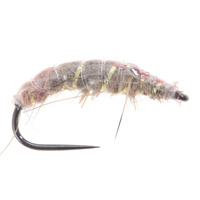
Hydropsyche Tan/Pink

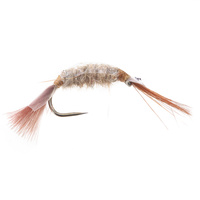

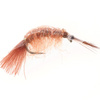

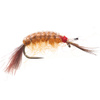


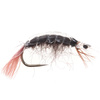
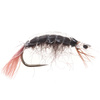

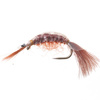


Czech Pink Gold Ribbed Nymph

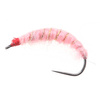


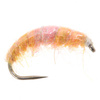

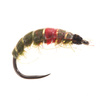
Hydropsyche Olive/Red
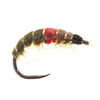


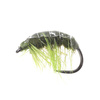
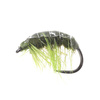
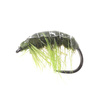
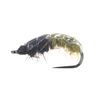
Dk. Green Scud
 + 1Opcji
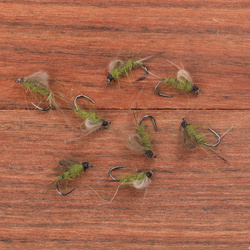
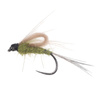
Olive CDC Emerging Nymph


 + 1Opcji
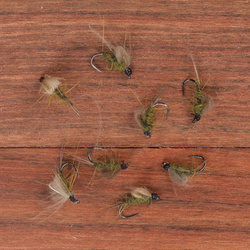
BWO CDC Emerging Nymph
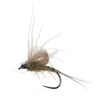
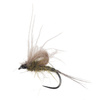
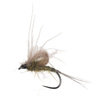
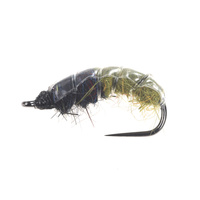
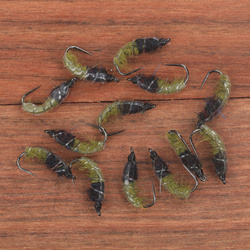
Dk. Green Hydropsyche Nymph


 + 1Opcji

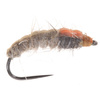


Hydropsyche Tan/Orange


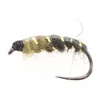
Hydropsyche Dark Olive/Charteruse Pink Back



- 1
- 2
Weighted does not describe one sink rate
The amount and position of weight differ between patterns. A slim, heavily weighted fly may descend quickly, while a fuller body with trapped fibres can sink more slowly despite carrying weight. Hook size, leader, current and line control remain part of the result.
Why choose a beadless weighted pattern?
A concealed underbody can create mass without adding a metallic head. This is useful when a continuous natural profile is preferred or when the fly represents a scud, caddis larva or another food item whose head is not best suggested by a bead. Weighted patterns may also include flashbacks, coloured backs or thorax details as separate triggers.
Choosing among weighted nymphs
- Czech-style nymphs and scuds use a curved or compact profile for close-to-bottom presentations.
- Caddis and Hydropsyche patterns suggest larvae associated with stones and current.
- Emerging nymphs may carry enough weight to hold just below the surface while retaining mobile fibres.
- Flashback patterns combine a familiar nymph shape with a narrow reflective detail rather than a fully bright body.
Depth and contact
Allow the fly time to descend before it reaches the target. Maintain contact sufficient to identify a hesitation, but avoid pulling the pattern out of a natural path. If the fly catches continuously, reduce weight, alter the casting angle or shorten the drift. If it never reaches the zone, select a heavier or more streamlined pattern.
Compare weighted nymphs with conventional bead-head and tungsten-bead designs. The best choice is the construction that reaches the intended level with the least compromise in presentation.